About the Archives
The NCTR Archives cares for more than four million records. The majority of these records were created or collected by the Truth and Reconciliation Commission of Canada (TRC) during its mandate, including the Survivor statements that represent the largest collection of residential school Survivor perspectives in existence.
Records within the archives include:
- More than 7,000 statements from Survivors, their families, residential school staff, and those affected by the residential school system.
- Recordings from TRC public events, such as expressions of reconciliation, honourary witness reflections, dialogues on reconciliation, sharing circles, and commissioner sharing panels.
- Gifts and expressions of reconciliation in the form of sacred and material objects, art, poems, music, and other media.
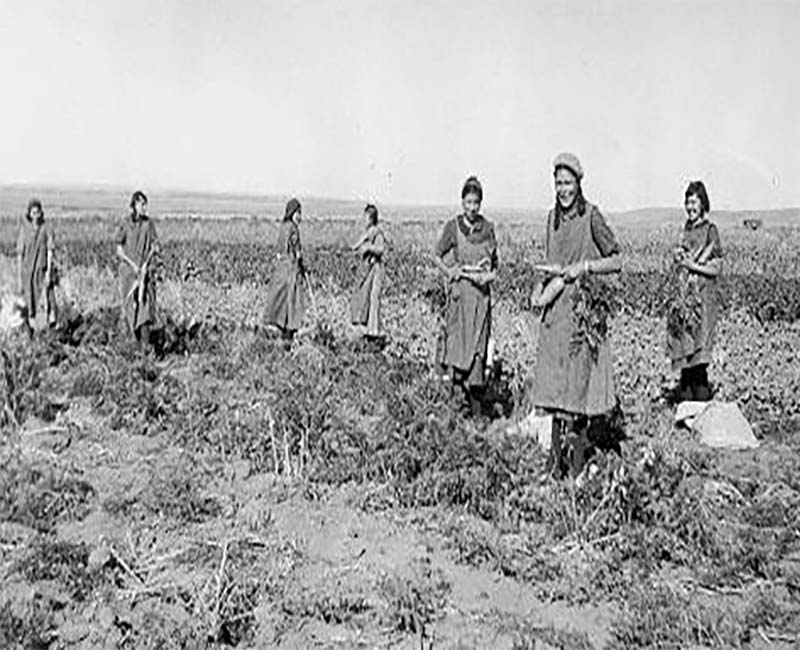
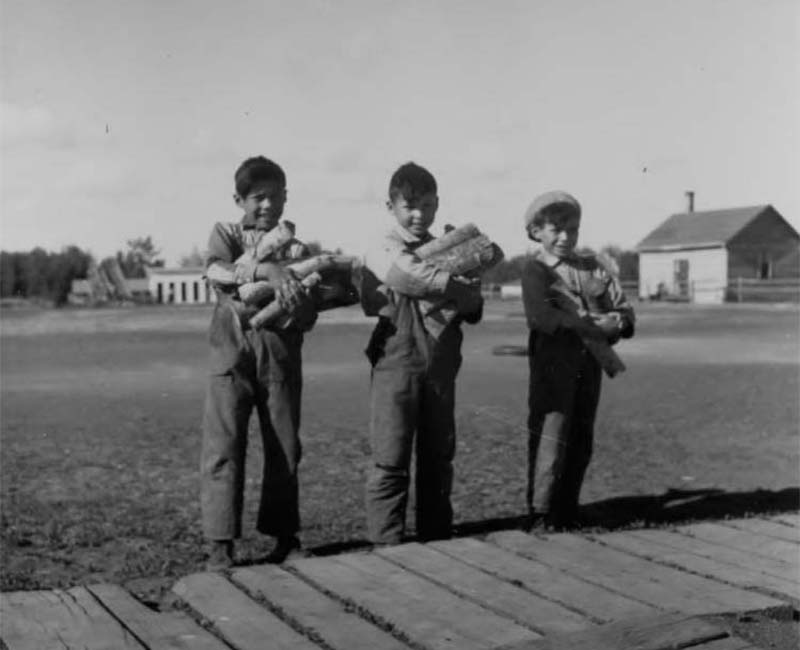
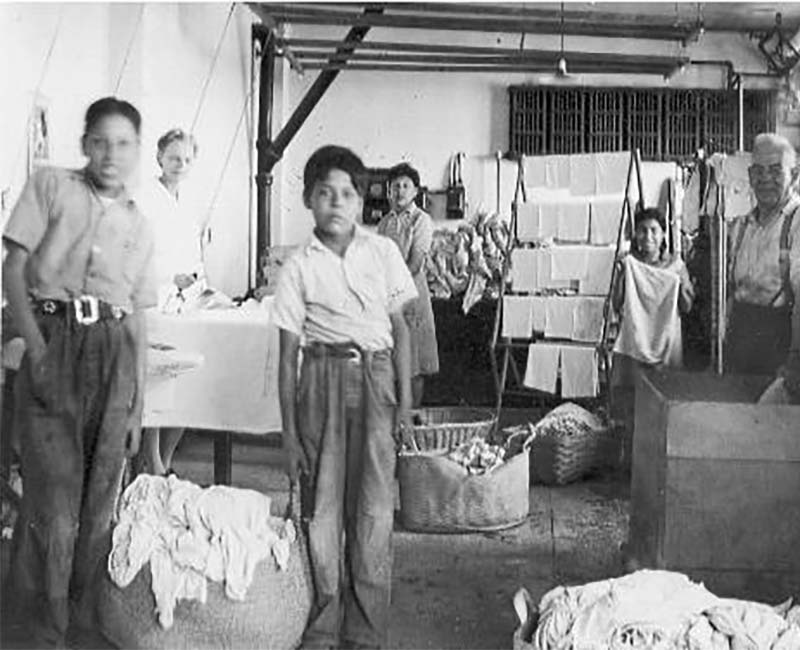
- Student admissions, school histories, administration records, photographs, maps, plans, and drawings from the federal and provincial offices and various religious entities that ran the schools.
- TRC reports and publications.
Our Approach
Preserving the records and providing access to the materials housed in the NCTR Archives is our first and most important priority. We follow best practices and international standards for digital archiving and preservation to ensure these records are available and accessible for generations to come.
The NCTR Archives supports multiple ways of knowing. By incorporating Indigenous perspectives on memory, archival practice, and ownership, we are creating something new: a decolonizing archive built on principles of respect, honesty, wisdom, courage, humility, love and truth.
Respecting and valuing the authority of Survivors, Elders, Indigenous Peoples and traditional knowledge keepers responsible for bearing, interpreting, and determining access to traditional knowledge within the appropriate protocols of language, environment, and culture is essential in our work.
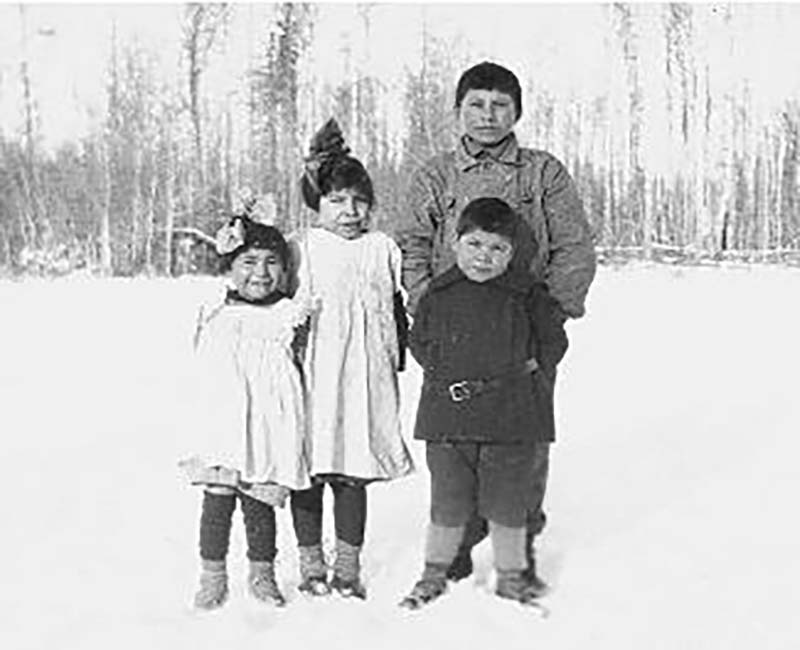
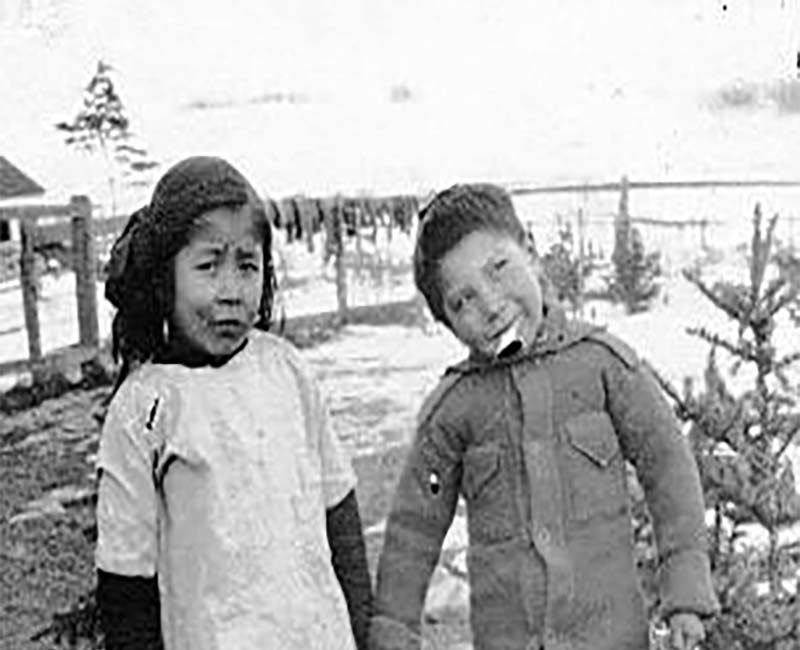
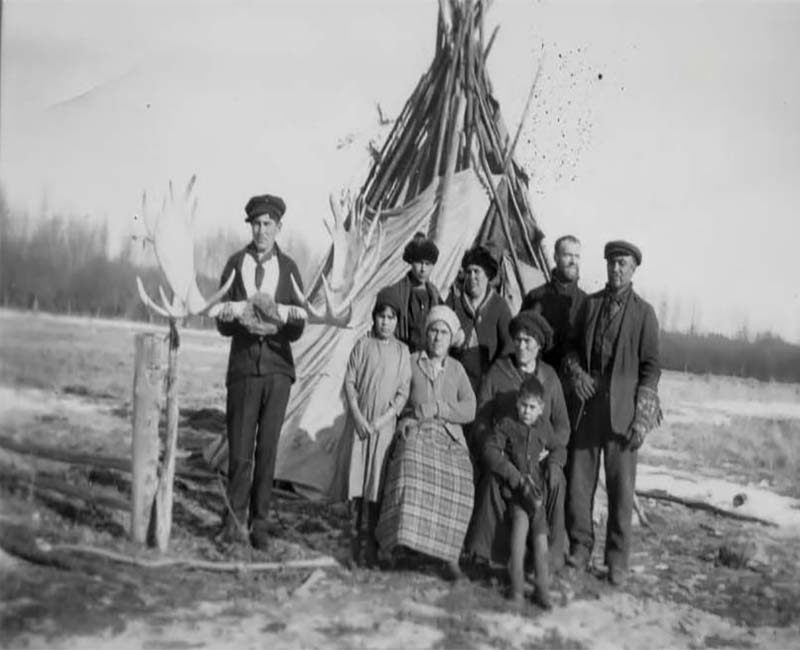
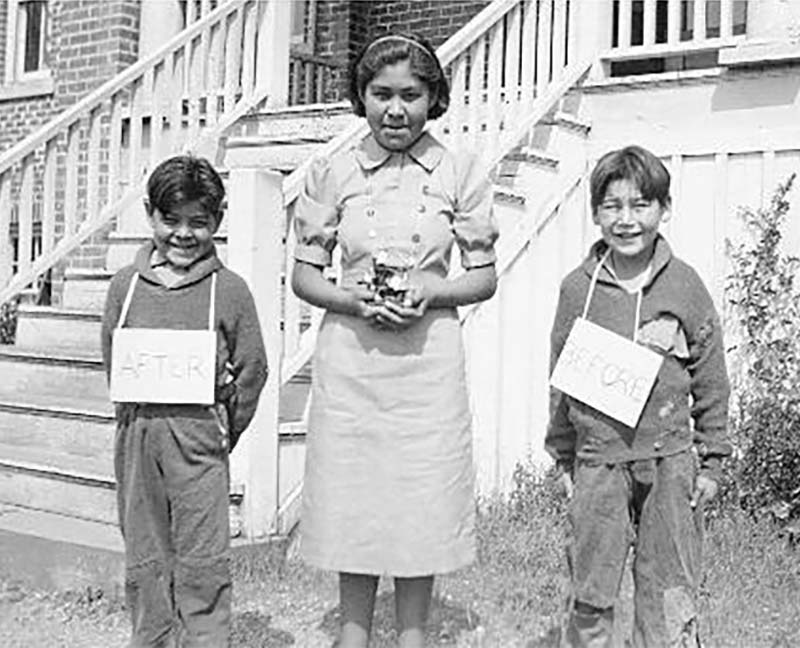
“These archives are people telling their own stories, in their own languages—and sharing their knowledge more directly through the use of video and audio.”
~ Raymond Frogner, Head of Archives at the NCTR.
Raymond O. Frogner, Head of Archives at the NCTR
Archival Science
Accepted: 30 September 2021 © Crown 2021
Browse current and past issues of our quarterly newsletter
Sign Up for Our Newsletter
Stay informed about NCTR news, events and initiatives.
NCTR’s spirit name – bezhig miigwan, meaning “one feather”.
Bezhig miigwan calls upon us to see each Survivor coming to the NCTR as a single eagle feather and to show those Survivors the same respect and attention an eagle feather deserves. It also teaches we are all in this together — we are all one, connected, and it is vital to work together to achieve reconciliation.