Acquisitions and Preservation
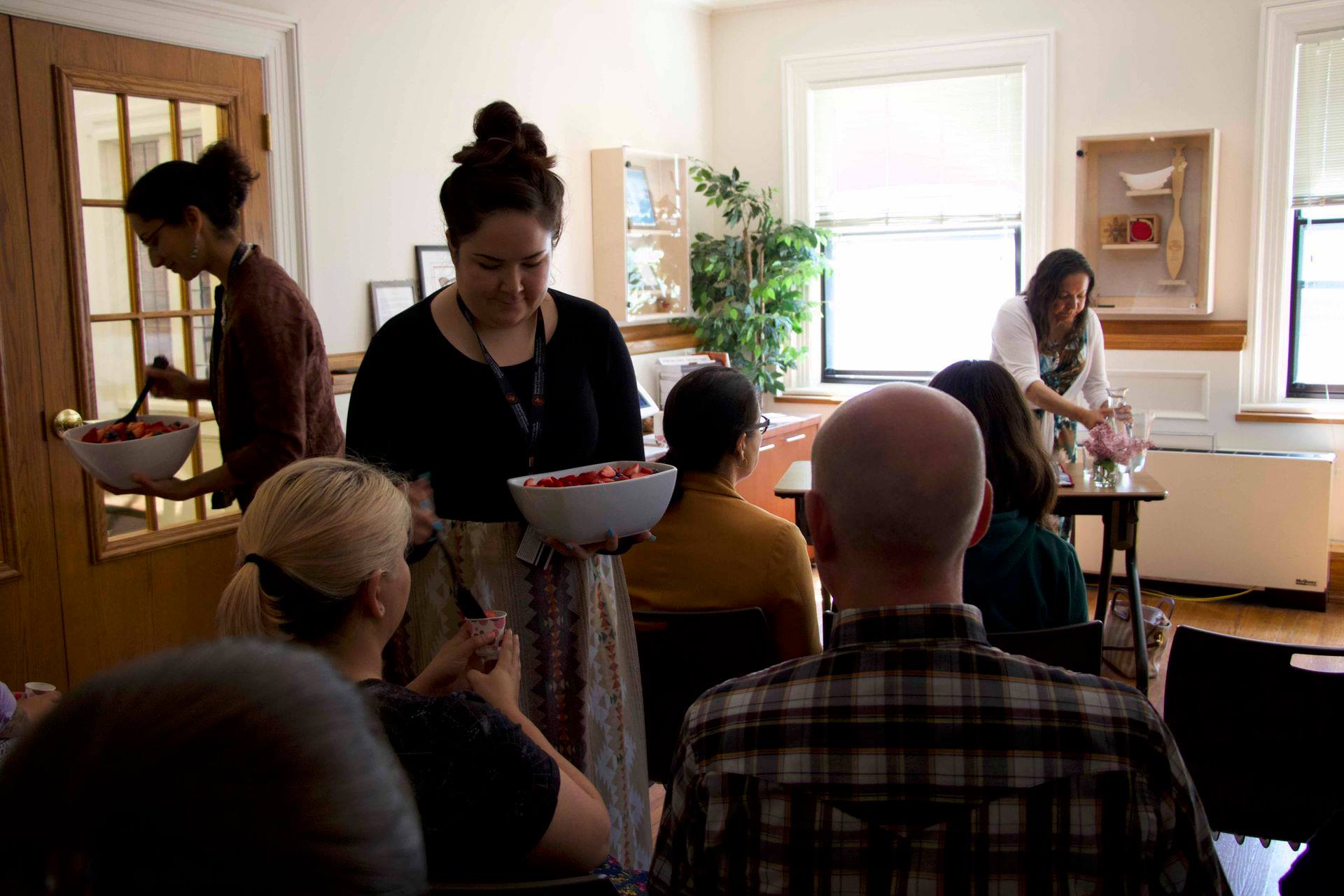
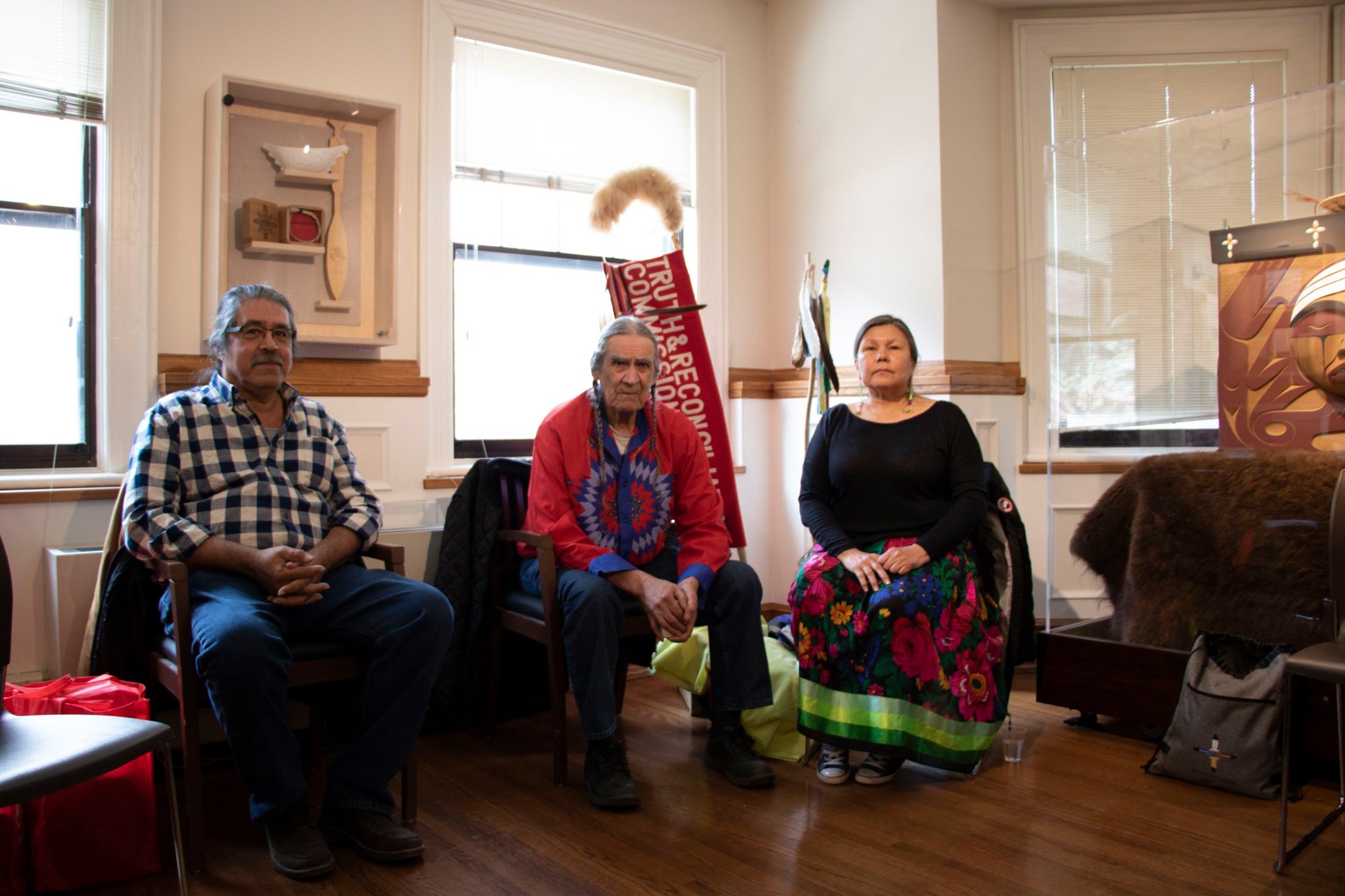
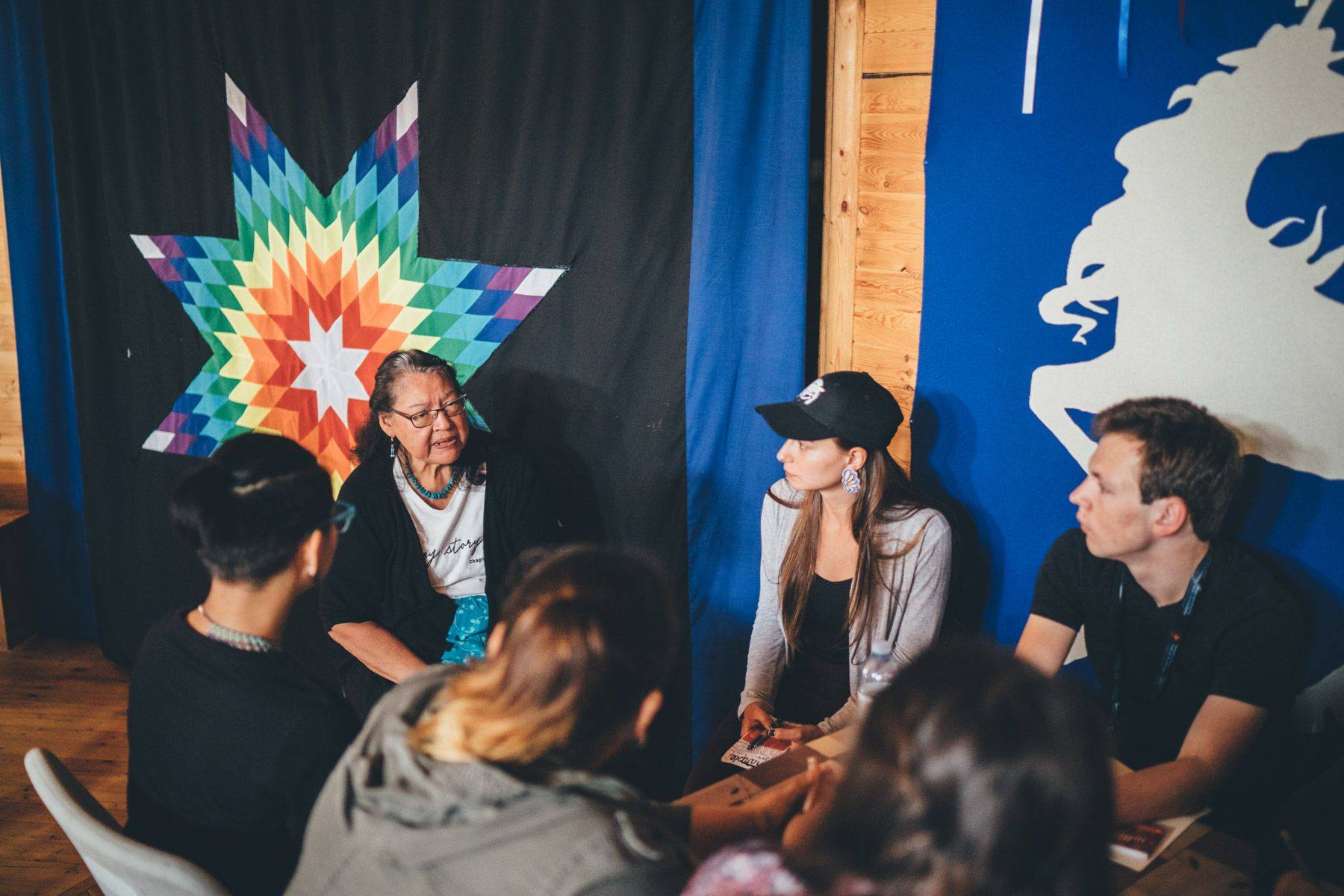
The NCTR Archives and Collections continue to grow as new materials and statements are gathered. The NCTR invites Survivors, their families, and their communities whose lives have been impacted by the residential school system to share their experiences in a safe and secure setting. By sharing your experiences, you create a place of learning, dialogue, and understanding, where the collective and individual truths of Survivors and others impacted by residential schools are honoured and protected to advance reconciliation.
To redress the legacy of residential schools and advance reconciliation, the NCTR encourages Indigenous and non-Indigenous institutions to share materials associated with the residential school legacy in order for the Centre to create a fully integrated archive that can be utilized for research and access. In direct compliance with Call to Action 77, the NCTR is currently working with various levels of governments, religious entities, and private donors to collect residential school records not previously collected by the Truth and Reconciliation Commission of Canada (TRC). However, for continued action, we call upon provincial, territorial, municipal, and community archives to work collaboratively with the NCTR to identify and provide copies of all records relevant to the history and legacy of the residential school system.
Browse current and past issues of our quarterly newsletter
Sign Up for Our Newsletter
Stay informed about NCTR news, events and initiatives.
NCTR’s spirit name – bezhig miigwan, meaning “one feather”.
Bezhig miigwan calls upon us to see each Survivor coming to the NCTR as a single eagle feather and to show those Survivors the same respect and attention an eagle feather deserves. It also teaches we are all in this together — we are all one, connected, and it is vital to work together to achieve reconciliation.