Legislation and Licensing
Access and Privacy
The NCTR Governing Circle and Survivor’s Circle provide guidance to ensure an appropriate balance of access and privacy is maintained. The NCTR is also fully supported in this task by the University of Manitoba’s Access and Privacy Office.
Access Policies
Certain records within the NCTR Archives have sensitive information protected under privacy legislation. This legislation ensures the NCTR is protecting Survivors’ and other individuals’ personal information from unauthorized access.
Privacy Policies
To protect the privacy of all the materials in its care, the NCTR places records into two categories:
- Open records – Records that do not breach privacy legislation or community laws and cultural protocols. Browse available materials online.
- Restricted records – Records that have not been released due to privacy legislation or community laws and cultural protocols. These records may only be made available on a case-by-case basis. View the takedown request policy.
Copyright and Permissions
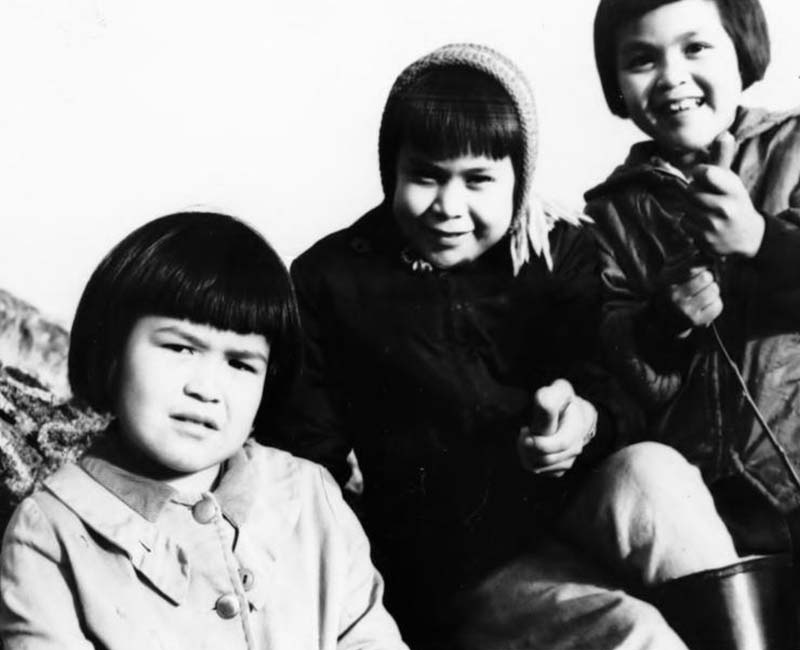
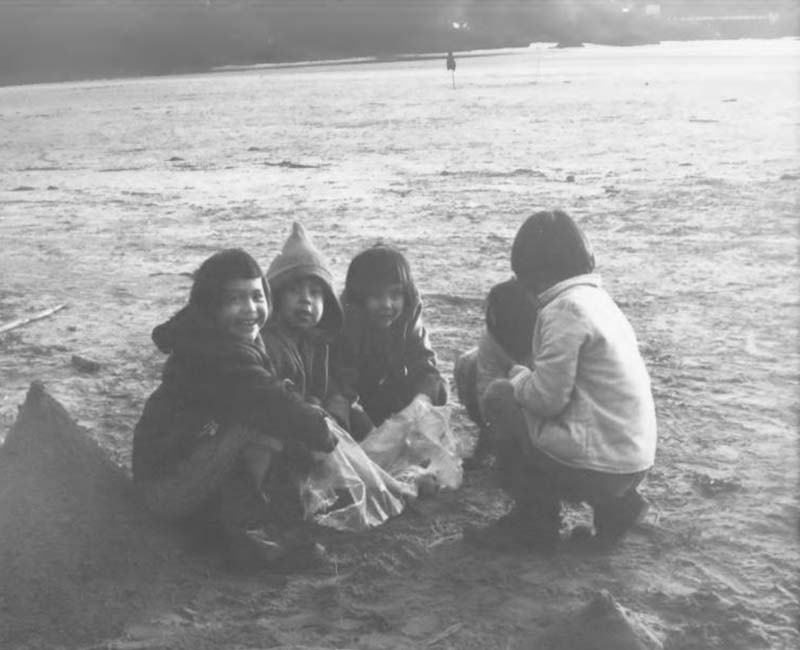
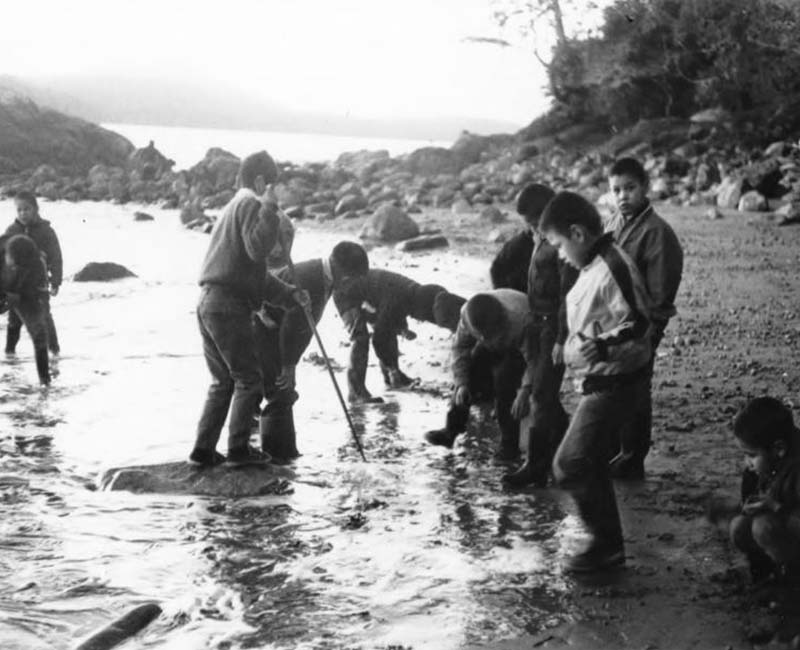
Most of the records in the NCTR’s care are digital copies supplied by various archival repositories. The original records and copyright have not been transferred. The NCTR cannot grant permissions or indemnities for material of which it does not hold clear ownership or control. For matters of copyright, the NCTR will defer to the originating repository. Consult the Conditions governing reproduction section of the online archival record description for details concerning original repository and copyright.
In some cases, a copyright exception such as Fair Dealing may permit[KH6.1] use of copyright-protected works without permission for specified purposes: research, private study, education, parody, satire, criticism, review, and news reporting. Determining eligibility for copyright exception is the responsibility of the user.
Some records held by the NCTR are in the public domain in Canada, meaning there is no copyright. For material in the public domain, consulting the originating repository on matters related to ethical engagement, academic integrity, and Indigenous legal traditions is advised. Many of the materials produced by the Truth and Reconciliation Commission of Canada (TRC), such as reports, are in the public domain. Copyright to protected TRC-produced materials rests with the NCTR.
Browse current and past issues of our quarterly newsletter
Sign Up for Our Newsletter
Stay informed about NCTR news, events and initiatives.
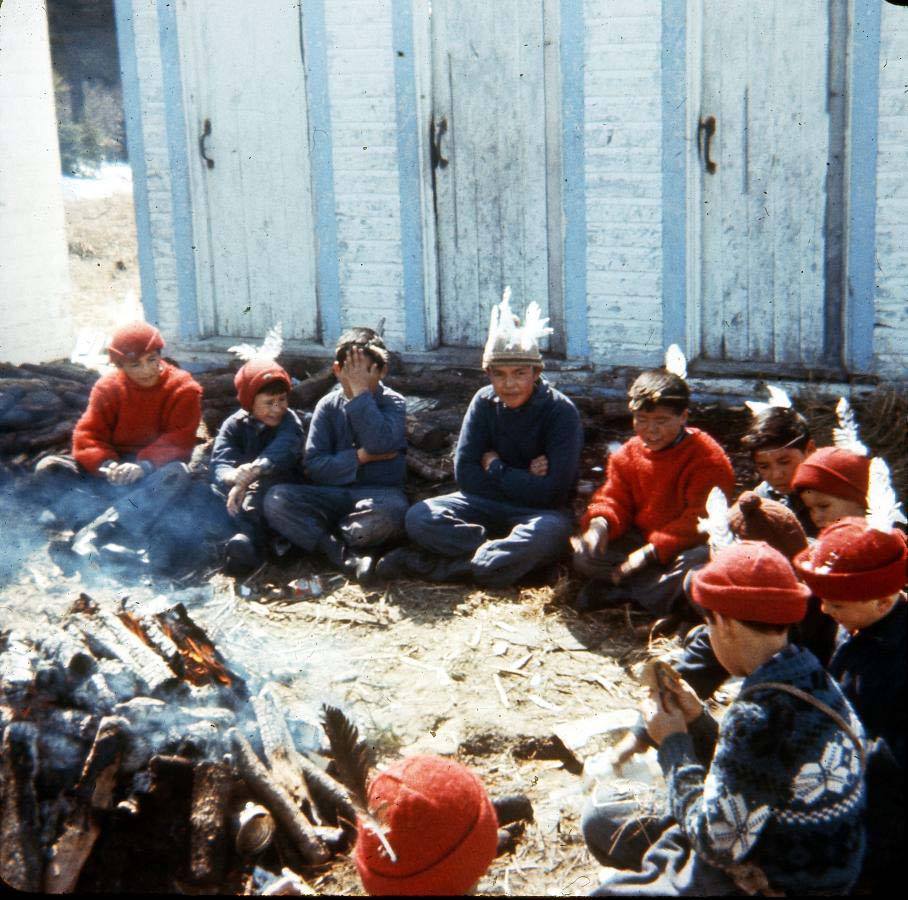
NCTR’s spirit name – bezhig miigwan, meaning “one feather”.
Bezhig miigwan calls upon us to see each Survivor coming to the NCTR as a single eagle feather and to show those Survivors the same respect and attention an eagle feather deserves. It also teaches we are all in this together — we are all one, connected, and it is vital to work together to achieve reconciliation.